
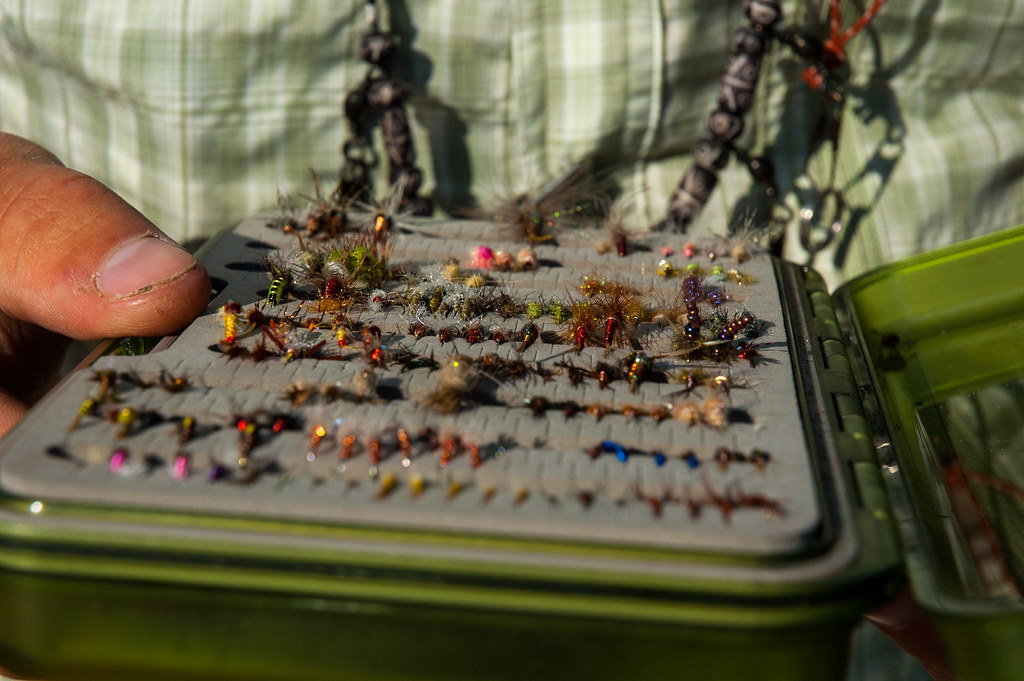
There’s a moment every fly angler knows — standing midstream, fly box open, scanning the surface for clues. A few rings break the current where trout are rising, or maybe the water is quiet and mysterious. You’re holding dozens of possibilities, wondering which one will get that perfect drift and attention.
Do I tie on a flashy attractor or a subtle hatch imitation?
That’s the heart of fly fishing — the balance between art and observation. The choice between attractor flies and match-the-hatch patterns can make the difference between a slow day and a memorable one. In this guide, we’ll explore when to use each approach, how to read water conditions, and strategies that have worked for me over years on the water.
Quick Reference Guide
Use Attractor Flies When:
- No visible hatch or feeding activity
- Water is off-color or fast-moving
- Exploring unfamiliar water
- Trout are opportunistic (summer afternoons)
Match the Hatch When:
- Trout are rising steadily to specific insects
- Water is clear and calm
- You can see or identify hatching bugs
- Fish are refusing your offerings
What Does “Match the Hatch” Mean in Fly Fishing?
When fly fishers talk about “matching the hatch,” they mean choosing a fly that imitates the specific insects trout are feeding on. It’s about realism — the right size, shape, and color to convince even the most selective fish that your fly is the real thing.
Matching the hatch matters most when trout are feeding steadily on a certain bug, such as a mayfly hatch on a sunny afternoon or caddis emerging in the evening. These are times when fish are focused — they’re not just opportunistic, they’re tuned in to one exact food source.
If you’ve ever fished a dense blue-winged olive (BWO) hatch, you’ve seen it firsthand. Trout rise rhythmically, ignoring anything that’s not the right imitation. Last spring on a Colorado tailwater, I watched a dozen anglers get refused for an hour during a BWO emergence — until they downsized from a size 16 to an 18. In those moments, “close enough” doesn’t cut it.
To do this well, anglers often watch the water for a few minutes before casting. See what’s in the air or floating on the current. If possible, use a small seine net to capture drifting bugs and check size, color, and wing shape. These details make all the difference.
Common Match-the-Hatch Fly Categories
Trout feed on a wide range of aquatic insects, but most fall into four major categories. Learning to recognize and imitate these bugs helps you match local hatches wherever you fish.
Mayfly
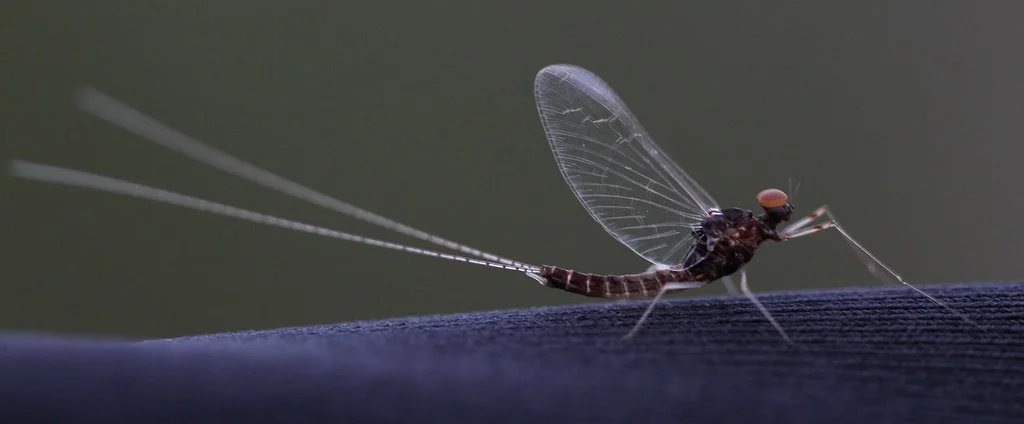
Mayflies are among the most important insects in fly fishing. They have slender bodies and upright wings, and trout feed on them in every life stage — nymph, emerger, and dun.
Best flies: Adam’s Dry, March Brown, 3 Mile, Film Critic, Spinner
Mayflies tend to hatch in calm water during spring and fall, and trout can become very selective during these events. Matching the hatch means paying close attention to size — a size 18 instead of a 16 can make or break the day.
Caddis
Caddis are more active and often more forgiving. They bounce on the water when laying eggs, and their pupa stage provides consistent food beneath the surface.
Best flies: Tent Wing, X-Caddis, Sparkle Pupa
A good rule of thumb: fish caddis patterns higher in the water column during late afternoon or early evening when adults are most active.
Stonefly
Stoneflies are the heavyweights — large-bodied insects that thrive in clean, fast rivers.
Best flies: Bullethead, Sofa Pillow, Pat’s Rubber Legs
When stoneflies hatch, trout often hold near banks and structure to intercept them. Even outside of hatches, stonefly nymphs drift year-round and make great searching patterns.
Trico
Tricos are the smallest of the mayfly family, appearing in late summer and early fall. They can form dense spinner falls that drive trout crazy — and frustrate anglers.
Best flies: Trico Spinner, Griffith’s Gnat, RS2
Fishing tricos requires finesse: light tippet (6X or 7X), small hooks (size 20-24), and delicate presentation.
When to Match the Hatch
Use imitative flies when:
- You see trout actively rising or feeding in a predictable rhythm
- The water is clear and calm, giving fish time to inspect your fly
- Insects are visibly hatching, or you can see them crawling on rocks or vegetation
- Fish are refusing more general patterns
During heavy hatches, trout often key on one life stage (nymphs, emergers, or adults). Switching from a dry to an emerger or soft hackle can suddenly turn refusals into hookups.
If you’re not sure what’s happening, start with a general imitator like the Adams or Parachute Adams, which works as a “universal mayfly” across many conditions.
What Is an Attractor Fly?
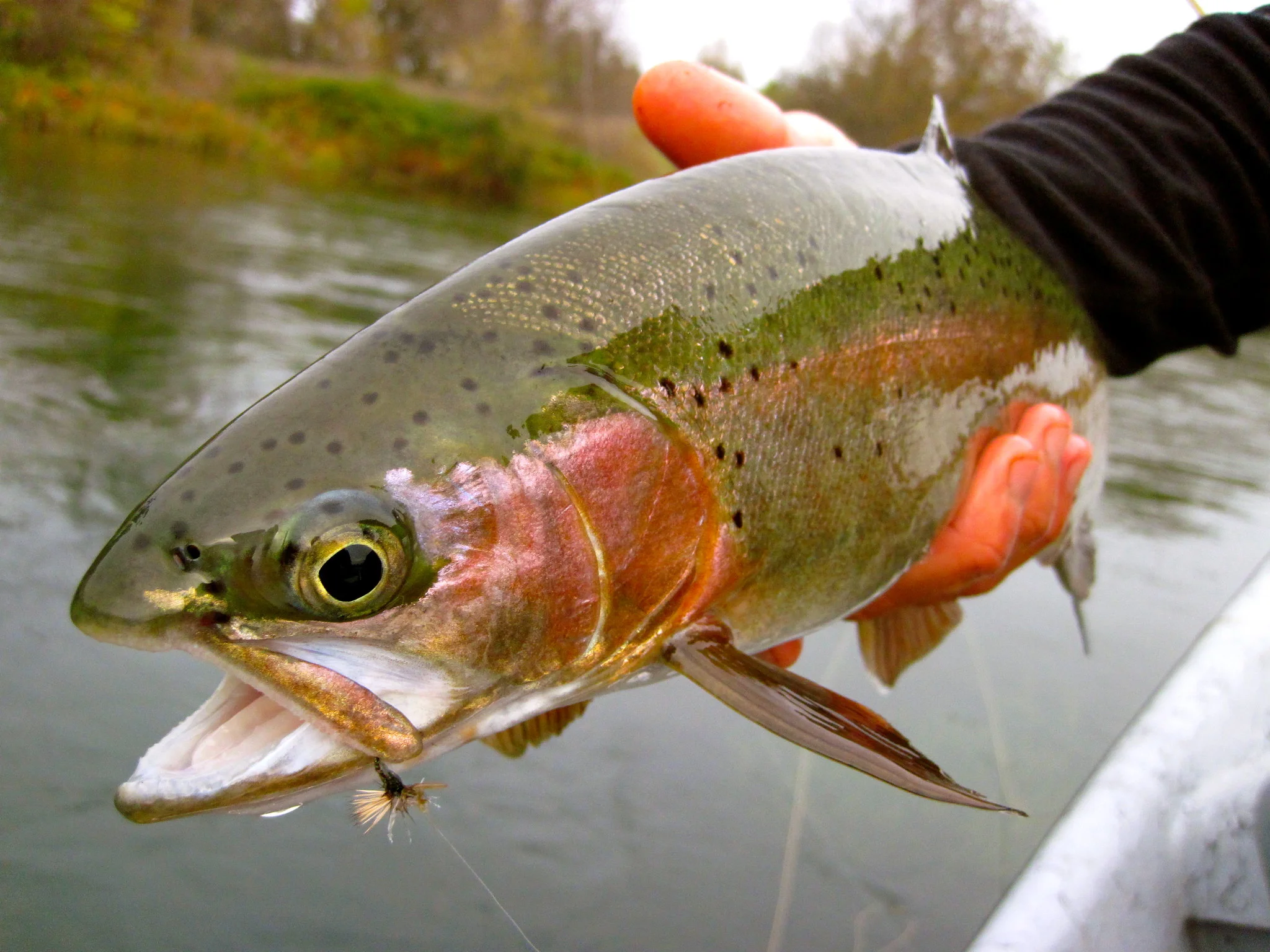
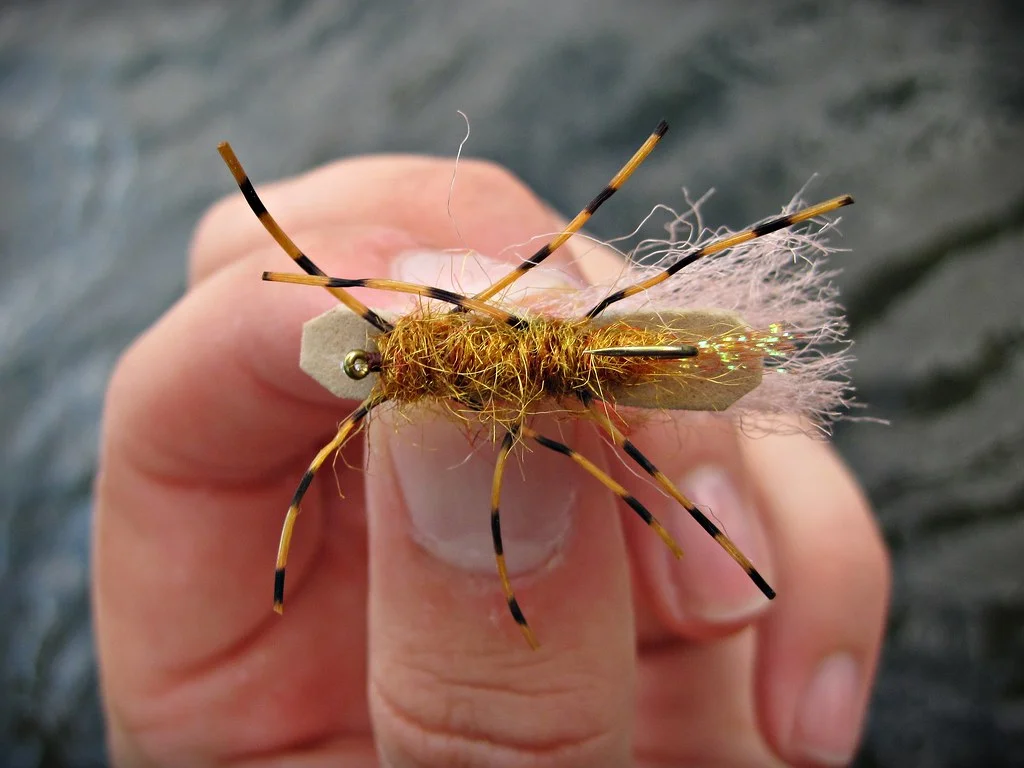
Attractor flies are not about precision — they’re about persuasion. They don’t mimic any single insect; instead, they use color, flash, and profile to trigger instinctive strikes. Sometimes trout feed out of curiosity, aggression, or simply because the fly looks alive.
Think of attractors as “searching patterns.” When you’re prospecting a river and there’s no visible hatch, attractors help you locate active fish. In fast water, where trout have less time to analyze what’s drifting by, these flies can be especially effective.
Classic attractor patterns include:
Dry flies: Amy’s Ant, Hippy Stomper, Turks Tarantula
Nymphs: Bjorn’s Pretty Purple, Guide’s Choice Hare’s Ear,
Streamers: Thin Mint Bugger, Muddler Minnow
Attractors are great when water is slightly off-color, when trout are opportunistic, or when you’re exploring unfamiliar stretches of river.
When to Use Attractor Flies for Trout
I will fish attractors when there’s no hatch to match. Cloudy water after a rainstorm, rising flows from snowmelt, or the lazy middle hours of the day — these are perfect attractor conditions. In freestone rivers, where food sources are more diverse and unpredictable, attractors can outperform precise imitations.
During summer, attractor flies also overlap with terrestrials — hoppers, ants, and beetles that fall into the water from nearby banks. A Fat Albert is both a big attractor and a convincing imitation of a grasshopper.
When trout are cruising or holding deep, I’ll pair an attractor nymph, like a Prince or Copper John with a smaller, realistic nymph dropper. It’s a combination that covers both curiosity and appetite.
The Gray Area — Flies That Do Both
Not every fly fits neatly into one category. Some patterns imitate insects but include attractor features that make them stand out. These hybrids are versatile and productive.
The Hare’s Ear Nymph is a perfect example. It looks buggy enough to imitate a mayfly or caddis larva but is suggestive enough to work anytime. The Frenchie, popular in many conditions, adds a bright hotspot collar — part attractor, part imitation.
And then there’s the Parachute Adams, perhaps the most balanced dry fly ever created. It’s realistic enough to match a range of mayflies but visible and buoyant enough to serve as a general searching pattern.
These crossover flies are ideal when you’re unsure what trout are eating or conditions are in between — not quite a hatch, not quite blind searching.
Reading Water and Conditions
Understanding when to switch between attractor and match-the-hatch flies comes down to reading water and trout behavior.
In clear, slow water, trout have time to inspect every drift. Matching the hatch with subtle patterns and fine tippet is usually the key.
In fast riffles, pocket water, or off-colored conditions, trout react more on instinct. That’s the time for attractors — brighter colors, bushier profiles, and more movement.
Seasonal Considerations
Spring and Fall: Mayflies, BWOs, and midges dominate. Hatch matching is critical.
Summer: Terrestrials and attractors shine; fish are opportunistic and aggressive.
Winter: Tailwaters call for small imitations (midges, scuds), but even a flashy nymph can trigger a strike in slower water.
Advanced Strategy: Blending Both Approaches
As you gain experience, you’ll learn that the best results often come from mixing strategies. One of my favorite setups is a dry-dropper rig — a large attractor dry like a Stimulator on top, and a smaller hatch-matching nymph below. The top fly acts as both an indicator and a potential meal, while the dropper imitates what trout are truly eating.
Throughout the day, I’ll adjust based on feedback. If fish start rising, I’ll cut the dropper and focus on dries. If the action slows, I’ll swap to nymphs or streamers.
That flexibility — the willingness to read the water and adapt — is what separates a good day from a great one.
Pop Quiz: Attractor vs. Match-the-Hatch
What’s the main difference between attractor and match-the-hatch flies?
Attractor flies trigger curiosity or aggression; they stand out. Match-the-hatch flies imitate real insects trout are feeding on during active hatches.
When should I use attractor flies?
When there’s no visible hatch, water is slightly off-color, or you’re exploring new water. Attractors help you locate fish fast.
Can I fish both types at once?
Yes! A dry-dropper rig or tandem nymph setup lets you cover both strategies simultaneously.
How do I know if trout are being selective?
Watch for consistent rising patterns, refusals after inspection, or fish feeding in a steady rhythm. These are signs to match the hatch closely.
Which method is better?
Attractor or match-the-hatch — it’s not a battle, it’s a balance. The best anglers know when to imitate and when to improvise.
Fly fishing isn’t about guessing what’s “right.” It’s about learning to listen to the river — and knowing when to show trout the perfect meal, or just something too tempting to pass up.