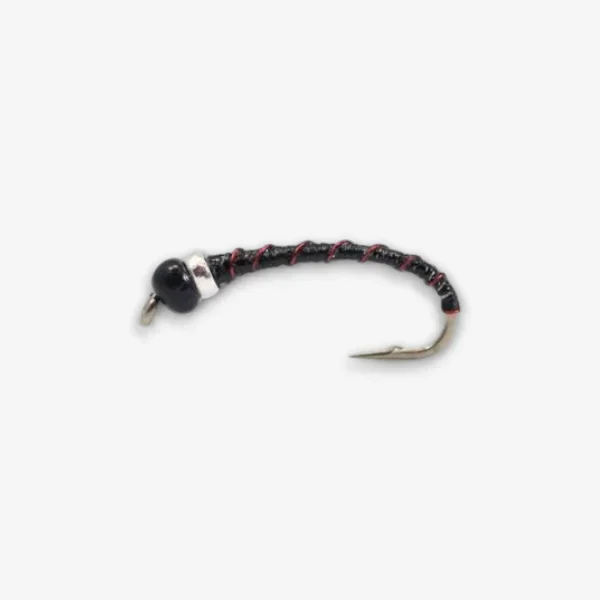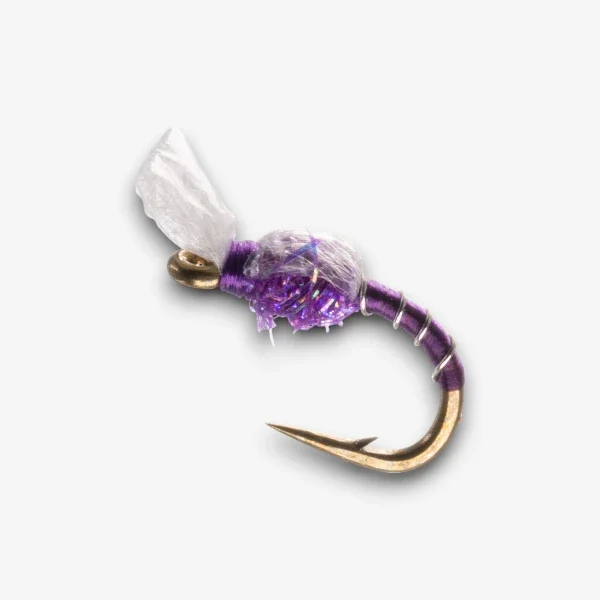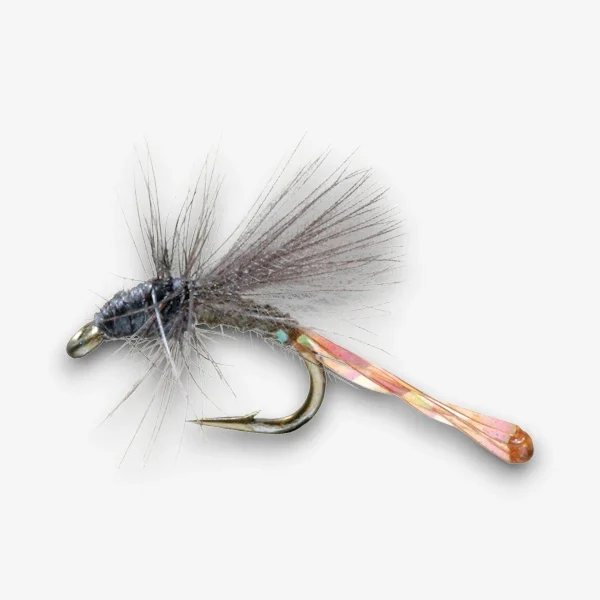
If there is one insect that consistently separates anglers who catch fish from anglers who hope to catch fish, it’s the Midge. Midges are not flashy. They don’t arrive in dramatic clouds, they don’t bring reckless surface takes, and they rarely announce themselves. Yet on many rivers, especially tail waters, spring creeks, and winter fisheries, midges are the most important food source trout see all year.
Why Midges matter more than you think.
Midges (Chironomids) are present every month of the year. Unlike Mayflies or Caddis, they don’t rely on narrow temperature windows or seasonal triggers. Trout feed on them daily, often hourly and frequently.
The overlooked life cycle advantage
The midge gives anglers a rare gift: multiple feeding opportunities at the same time. This means trout may be feeding below, mid column, and on the surface simultaneously.
The challenge of the midge
Most midge activity happens in sizes 18–26, and sometimes even smaller. At that scale, trout aren’t keen on the color their keying on shape, spacing, and drift speed. A fly that’s one hook size too large can be completely ignored, even if it’s the “right” pattern.
This is why Midge fishing rewards:
It’s also why indicator placement and micro drag matter more with Midges than almost any other insect.
Reading the water for midges
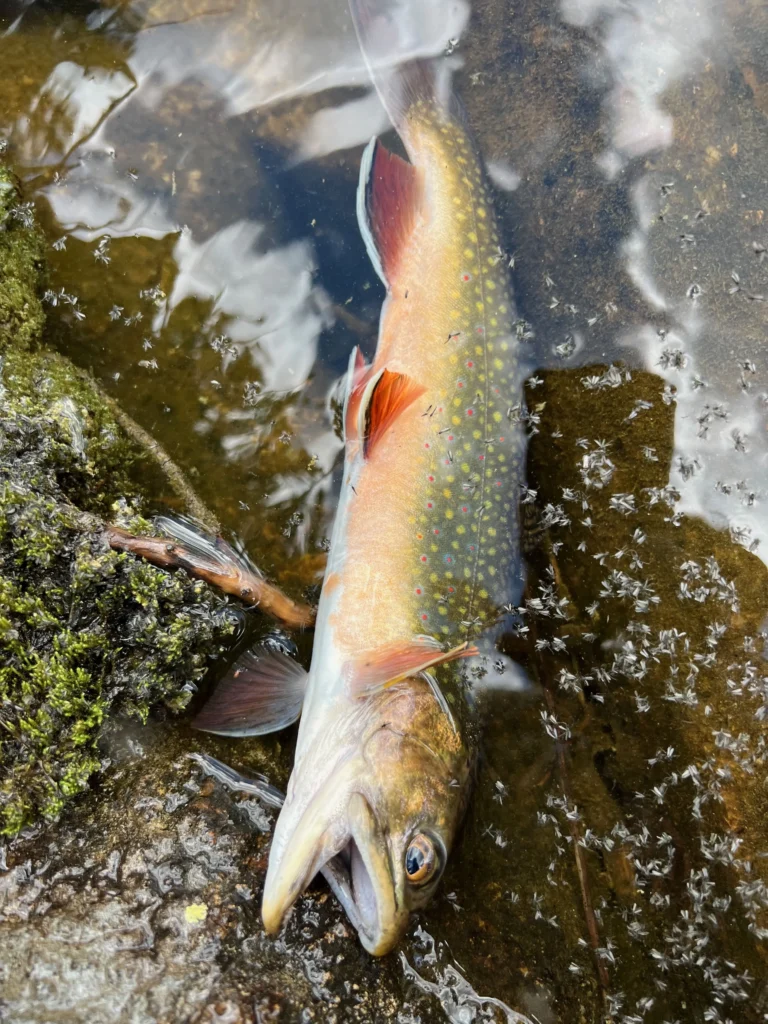
Midge feeding trout often gives subtle clues:
These are not reaction eats; they are precision feeding behaviors. Trout expect the food to drift slowly, evenly, and without deviation.
One subtle tip
Depth matters more than patterns. If you’re not getting takes:
Often, the fish are there, you’re just drifting above or below their feeding window.
Following the Hatch
A midge hatch doesn’t erupt; it unfolds. As it does, one of the most overlooked movements happens laterally, not vertically. As the Hatch progresses, midges consistently shift closer to shore, and trout follow the food.
Most midge activity starts mid river. Larvae begin to rise from deeper, softer substrate and drift upwards through the water column. Trout feeding at this stage often hold just off the bottom or in mid depth lanes, intercepting pupae well before they reach the surface
As more pupae emerge, something changes.
The Shoreline Effect
Midges are weak swimmers and even weaker Flyers. As pupas reach the surface, adults begin to emerge. Light wind, surface tension, and micro–currents push them laterally. Soft seams, eddies, and slack water along the bank become collection zones.
Trout are opportunistic. When food began stacking along the edges, they abandoned mid river feeding lanes and slide shallow sometimes within a rod length of the bank.
When to change to a drive fly
The biggest mistake anglers make is switching to dries too early. Change to a dry midge only when you see:
If the rises are sporadic or widely spaced the fish are still feeding below the surface. Stay subsurface.
Once trout are locked into surface feeding, dry flies become far more efficient. Especially along banks, inside seams, and tail outs were midges concentrate.
Fishing the transition from emerger to dry
During this change, the most effective approach is often halfway:
This matches the stage trout are feeding on before they fully commit to adults.
As the Hatch progresses, watch the banks, not the middle. When you see trout sliding shallow and rising softly in slow water, the river tells you it’s time to stop fishing depth and at that moment – quiet, subtle, and easy to miss is when a dry fly finally becomes the right answer.