The Overlooked Answer Between Hatches
I was standing mid-river, cold water pushing against my legs, watching trout feed just enough to keep me hopeful—while I couldn’t make sense about what the fish were keying in on. There were no rising fish, no bugs in the air, and nothing obvious drifting on the surface. Like many anglers in that moment, I started cycling through flies and calling it “problem solving.” Half my fly box later, a simple thought finally cut through the noise: try a worm pattern.
Annelids—segmented aquatic worms from the phylum Annelida—are one of the most consistent food sources available to trout. They don’t hatch. They don’t emerge. They don’t create surface drama. But trout eat them year-round.
I tied on a twisted worm pattern, made one clean drift, and watched a solid trout eat it with the kind of confidence that made it feel personal—like it was genuinely offended I hadn’t offered it sooner. That moment was a reminder: while anglers overthink, trout just keep eating worms.
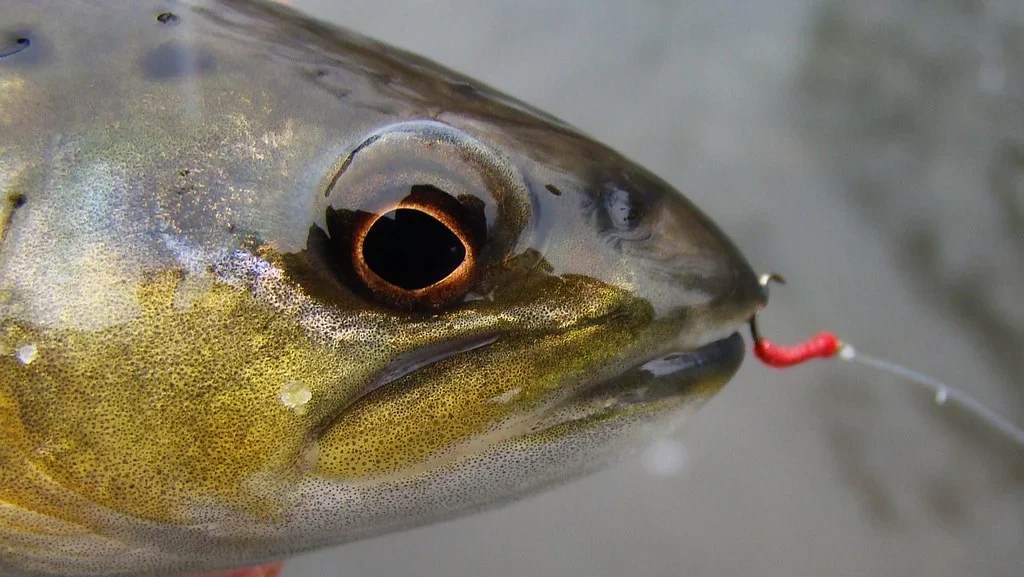
Annelids in Rivers: What Trout Are Really Eating
While “annelids” is a broad scientific category, only a handful matter consistently to fly anglers. These organisms live in river and lake substrates and become important food sources when they’re dislodged into the current.
Aquatic worms—often referred to as oligochaetes—are the most common annelids trout encounter in rivers. They live buried in fine gravel, sand, and silt, particularly in tailouts, slow runs, and soft seams. When flows rise, substrates shift, or even when anglers wade through productive water, these worms are pulled free and drift helplessly near the bottom. This group accounts for most traditional worm-style fly patterns.
Bloodworms are another important example, especially in colder months. Their red coloration comes from hemoglobin, which allows them to survive in low-oxygen environments. While more commonly associated with lakes and tailwaters, they also appear in slower river sections. In winter and early spring—when insect activity is limited—bloodworms can make up a significant portion of a trout’s diet.
In nutrient-rich systems, tubifex and sludge worms thrive in fine sediment. These worms are common below dams and in stable tailwaters. Anglers rarely see them directly, but trout feed on them regularly when they enter the drift. Their presence explains why slim, simple worm profiles can outperform more complex flies in pressured water.
Leeches round out the annelid family from an angler’s perspective. Larger and more mobile, they’re found primarily in slower rivers, backwaters, and connected stillwaters. While not present everywhere, they can trigger aggressive feeding where they exist, especially when trout are focused near the bottom or along structure.
Annelids Matter When Nothing Else Is Active
Annelids live in the streambed, not the water column. They become available to trout when conditions change—during runoff, dam releases, storms, or even routine foot traffic. Once in the drift, they’re soft, slow, and defenseless.
To a trout, that’s an easy meal with no downside.
This is why annelid patterns are so effective during winter and early spring, after sudden flow changes, in heavily pressured water, or any time fish are clearly feeding subsurface but no obvious insect pattern emerges. If trout are eating but not rising, annelids should always be part of the conversation.
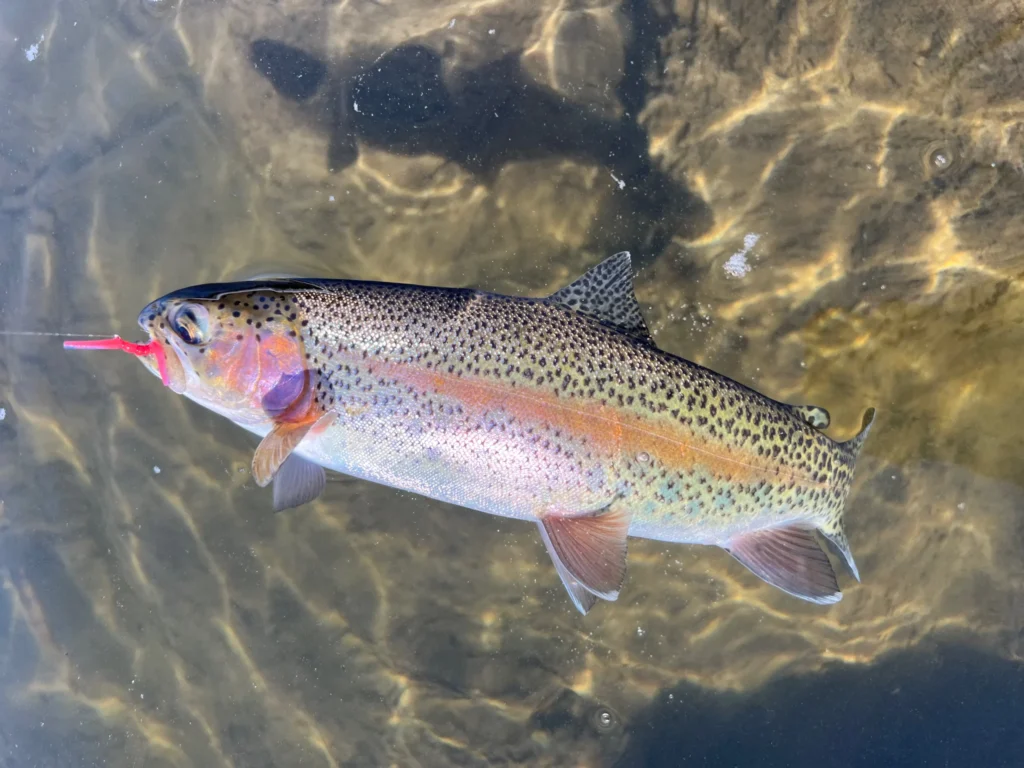
How Trout See Worms
Annelids don’t swim. They pulse, stretch, and undulate with the current, staying close to the bottom and reacting to subtle changes in flow. This creates a long, simple silhouette that trout instantly recognize as food.
Because of that, color matters far less than anglers often think. What really matters is size, shape, depth, and a natural drift. When those elements are right, trout commit without hesitation.
Fishing Annelids Effectively
The most important mindset shift is to think of annelids as food, not attractors.
Fish them near the bottom in soft seams, tailouts, and lower-velocity water. Use just enough weight to maintain contact without dragging. A clean drift is far more important than added movement or flash.
Annelid patterns excel as confidence flies when nothing else makes sense, as secondary flies behind a heavier point pattern, and as a go-to option when trout refuse obvious insect imitations.
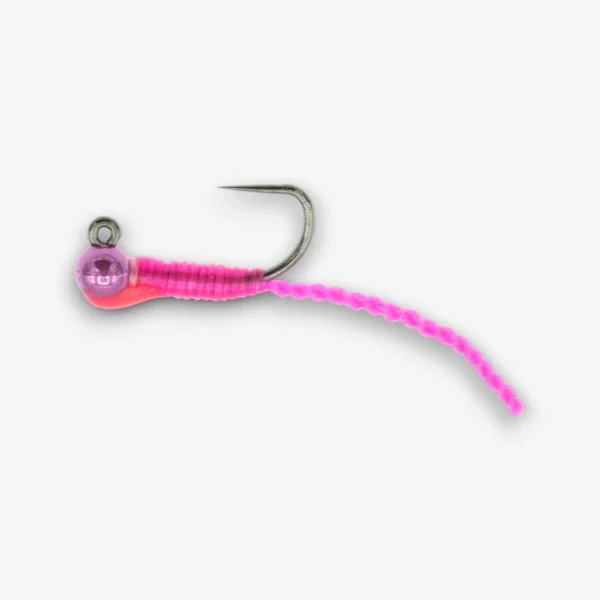
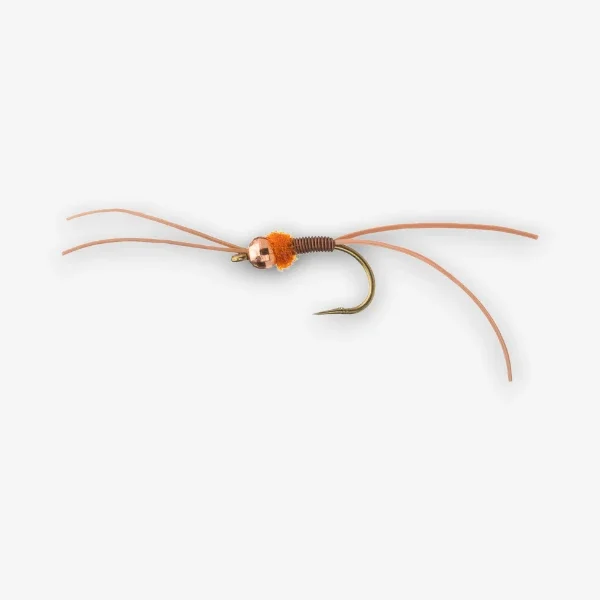
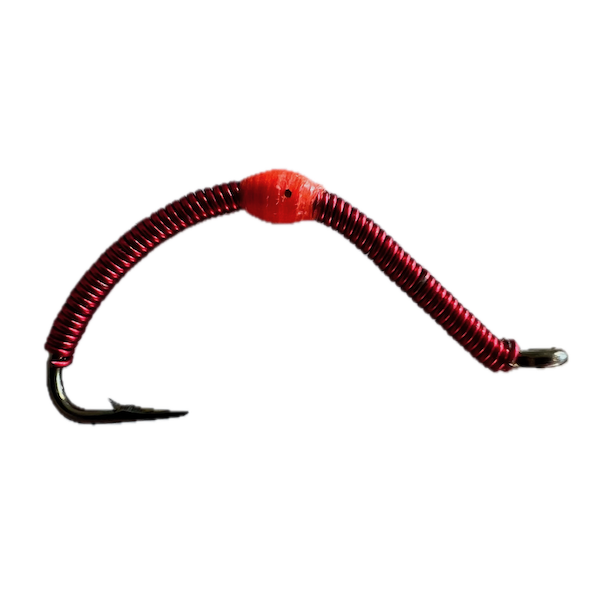
Here are our top 3 recommended annelid “worm” patterns. And yes, you should always have a San Juan worm in your flybox.