
Author: phil
-
3 Takeaways While Steelhead Trout Fishing on the Conneaut Creek
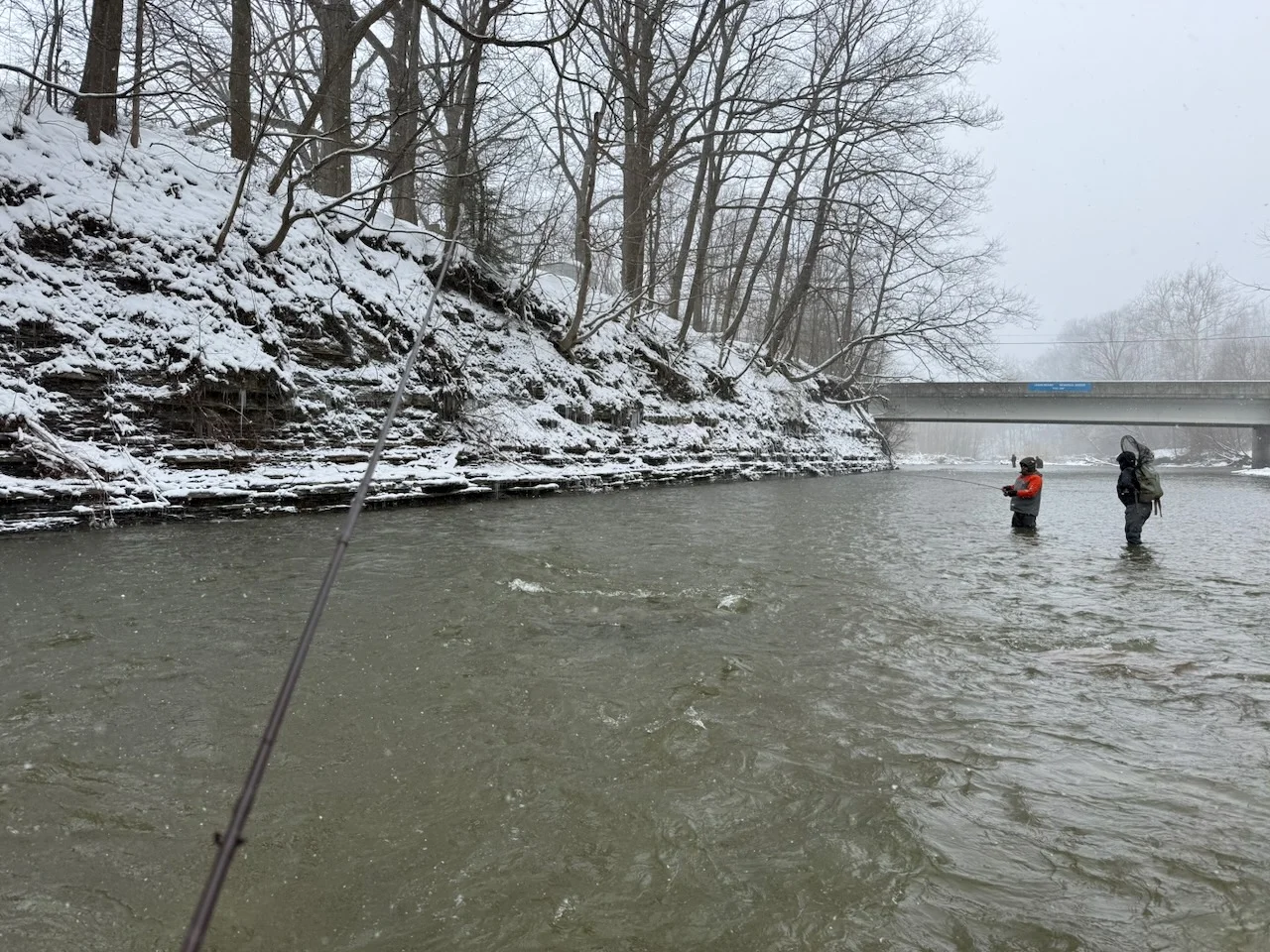
The IdentaFly team found that out firsthand through a guided trip to Conneaut Creek — a Lake Erie tributary along the Ohio/Pennsylvania border — for our first-ever steelhead trip. True to the sort’s reputation, we got the full experience: cold temps, snow, wind, and wet everything. And we embraced every minute of it. Read more
-
Annelids: The Snack Trout Love Between Hatches
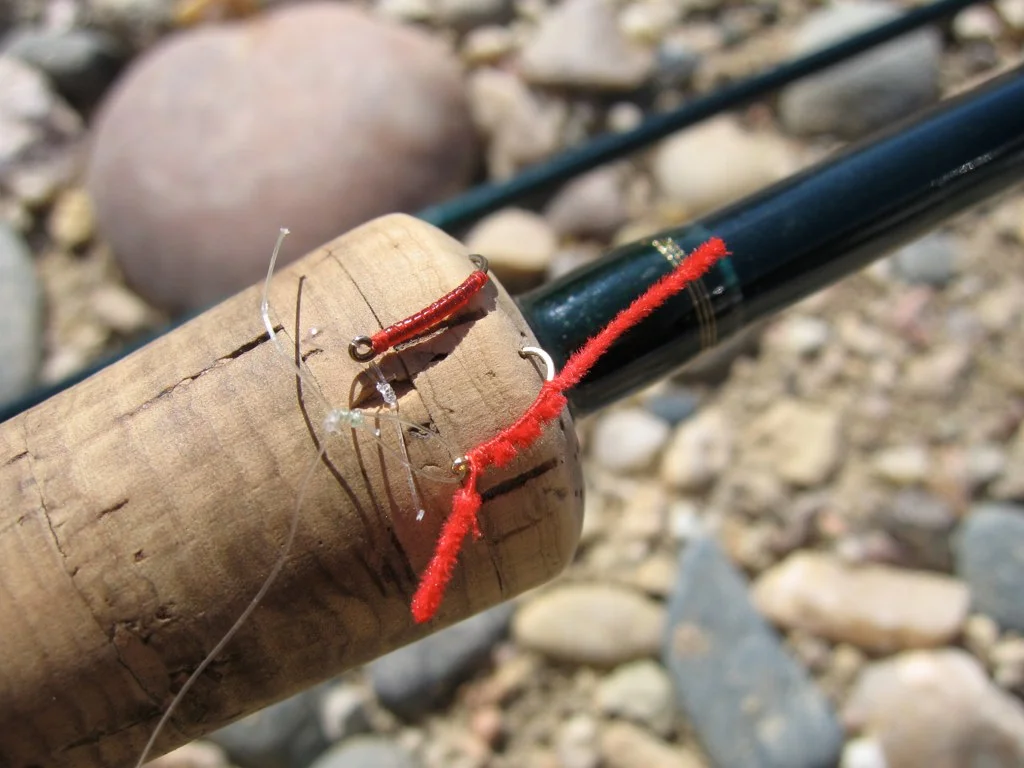
I was standing mid-river, cold water pushing against my legs, watching trout feed just enough to keep me hopeful—while I couldn’t make sense about what the fish were keying in on. There were no rising fish, no bugs in the air, and nothing obvious drifting on the surface. Like many anglers in that moment, I… Read more
-
Attractor vs. Match-the-Hatch: Choosing the Right Fly for the Right Moment
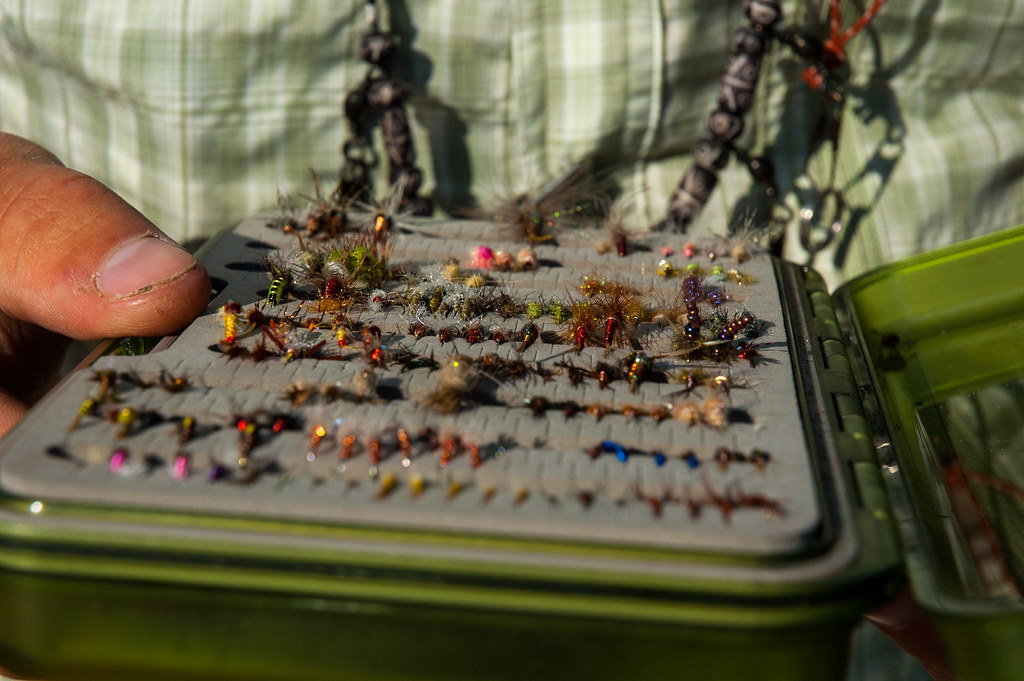
Learn when to use attractor flies vs. match-the-hatch patterns for trout fishing. Expert tips on reading water, choosing flies, and adapting to conditions for more hookups. Read more
-
Bugs or Baitfish? Why Food Sources Shape the Trout You Catch
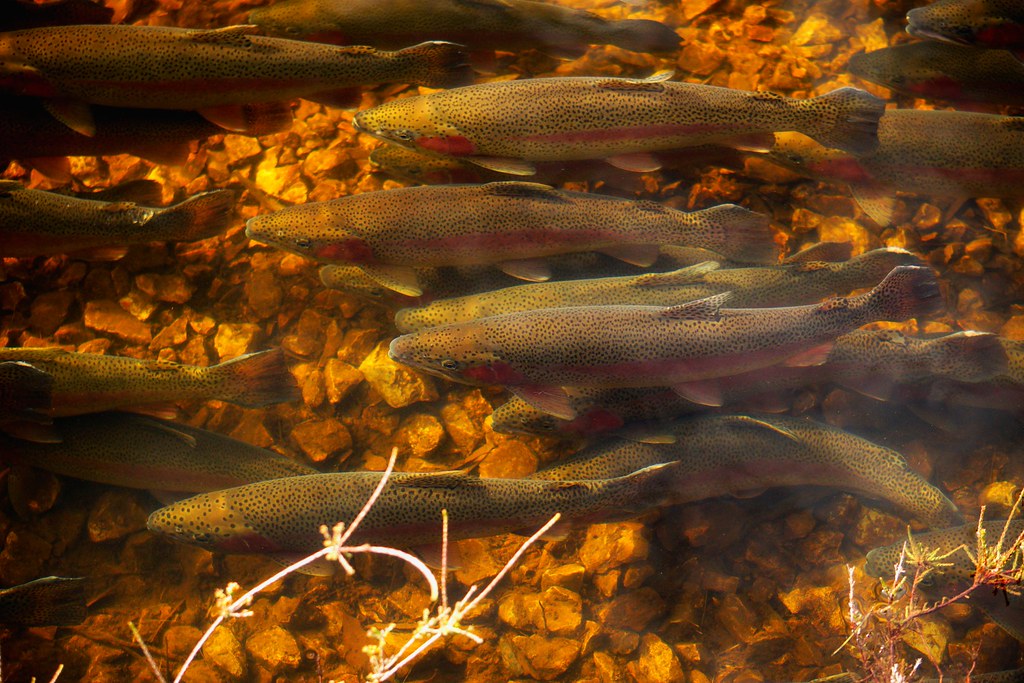
When you think about what makes a river “fishy,” your first thought is probably bug life—mayflies, caddis, midges, and the seasonal hatches we all love to chase. But not all rivers are built the same. Some are insect-driven systems, where trout survive almost entirely on nymphs and emergers. Others offer an extra “power meal” in… Read more
-
Fly Fishing Came Through When it Mattered Most
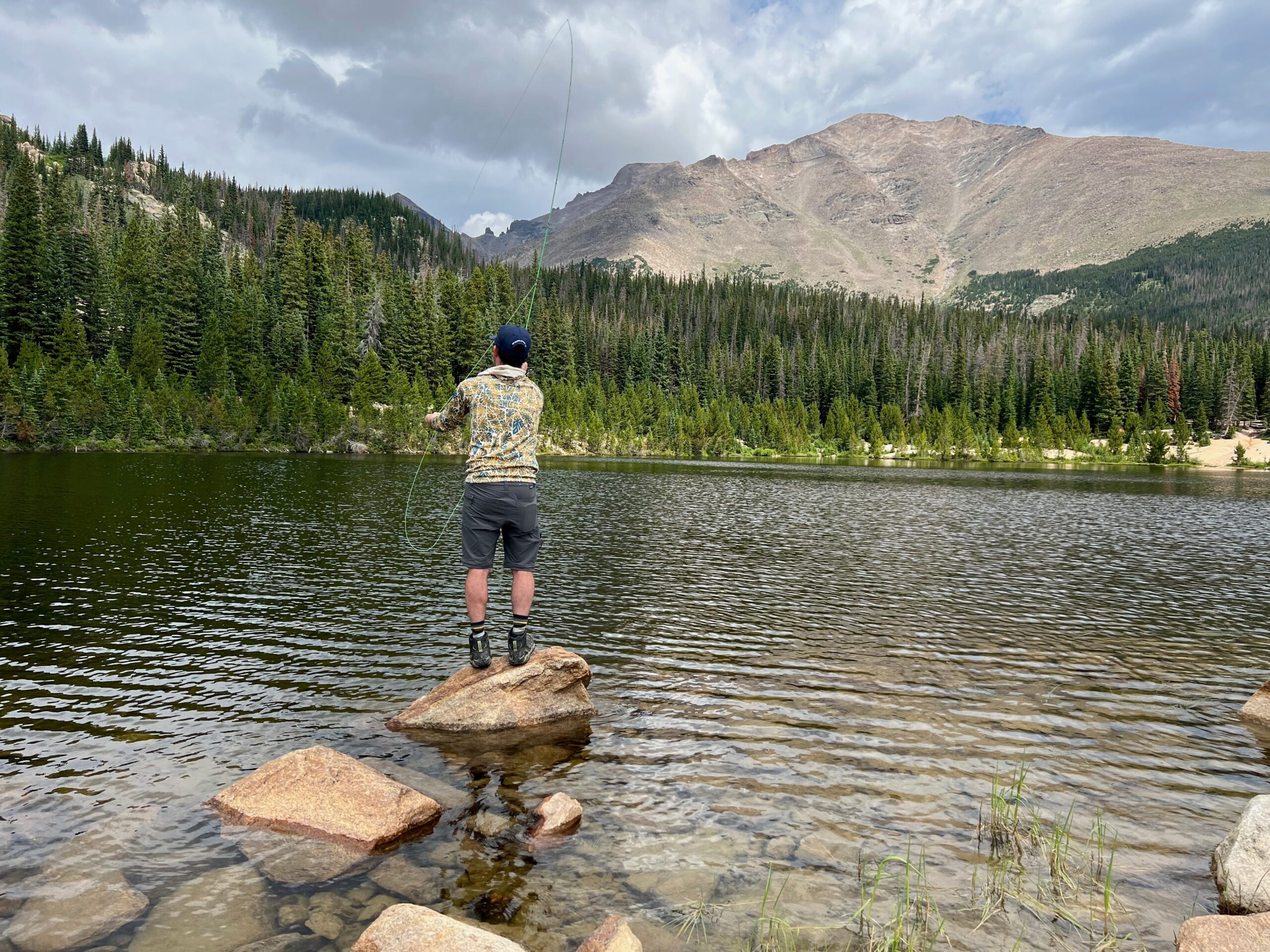
While brushing my teeth on the night of January 2, 2022 something really uncomfortable occurred. My hands started shaking, the muscles in my legs were contracting and I couldn’t seem to control it. The only thing I could think to do was to try laying down. From bed I tried to manage my body but… Read more
-
Reading the Rocks: What Biofilm Can Tell You About Water Quality and Trout Behavior
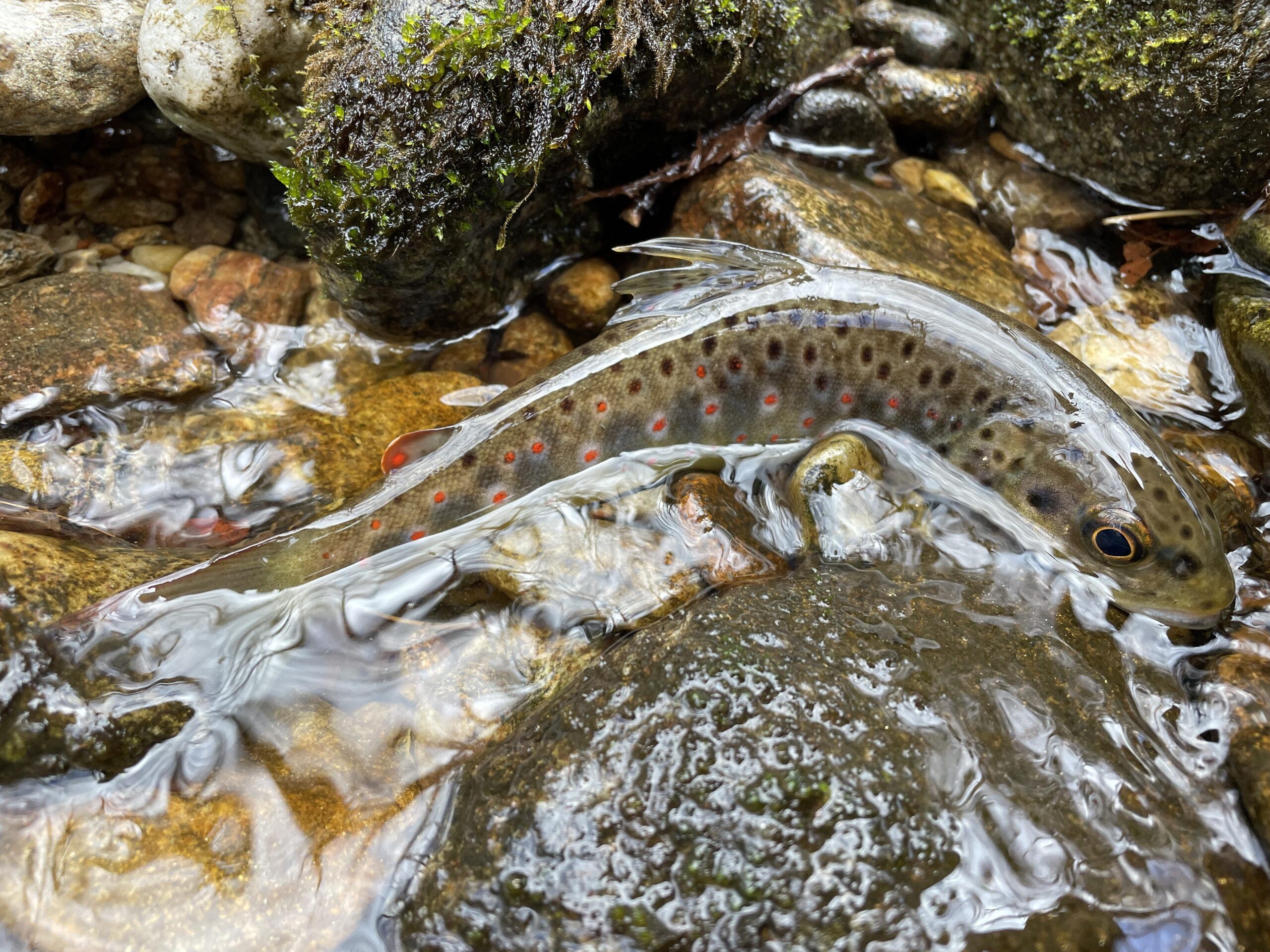
When you think about reading water, you probably picture current seams, foam lines, and pocket water—not slippery rocks. But if you’re paying attention to what’s beneath your boots, you’ll notice something that reveals a surprising amount about a fishery: biofilm. Read more
-
Terrestrials in Fly Fishing: Land Bugs, Hungry Trout, and Summer Fun
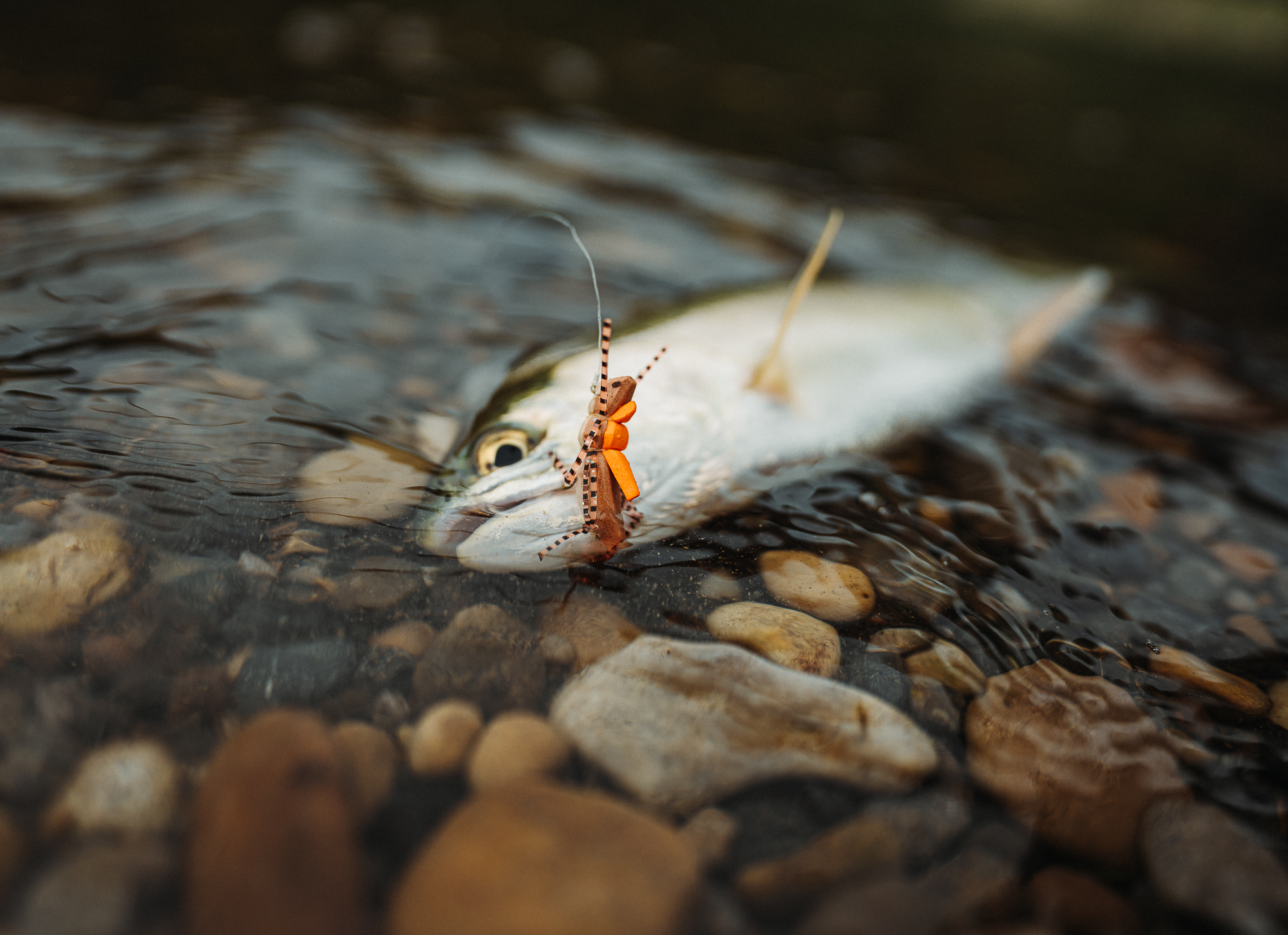
When most fly anglers think about matching the hatch, they imagine mayflies, caddisflies, or stoneflies drifting down the river. But come summer, there’s a whole new menu item on the water that trout can’t resist: terrestrials. Terrestrials are land-dwelling insects that accidentally end up in the water—and when they do, trout are more than happy… Read more
-
Stoneflies 101: What They Are, How to Fish Them, and Why Salmonflies Aren’t the Same
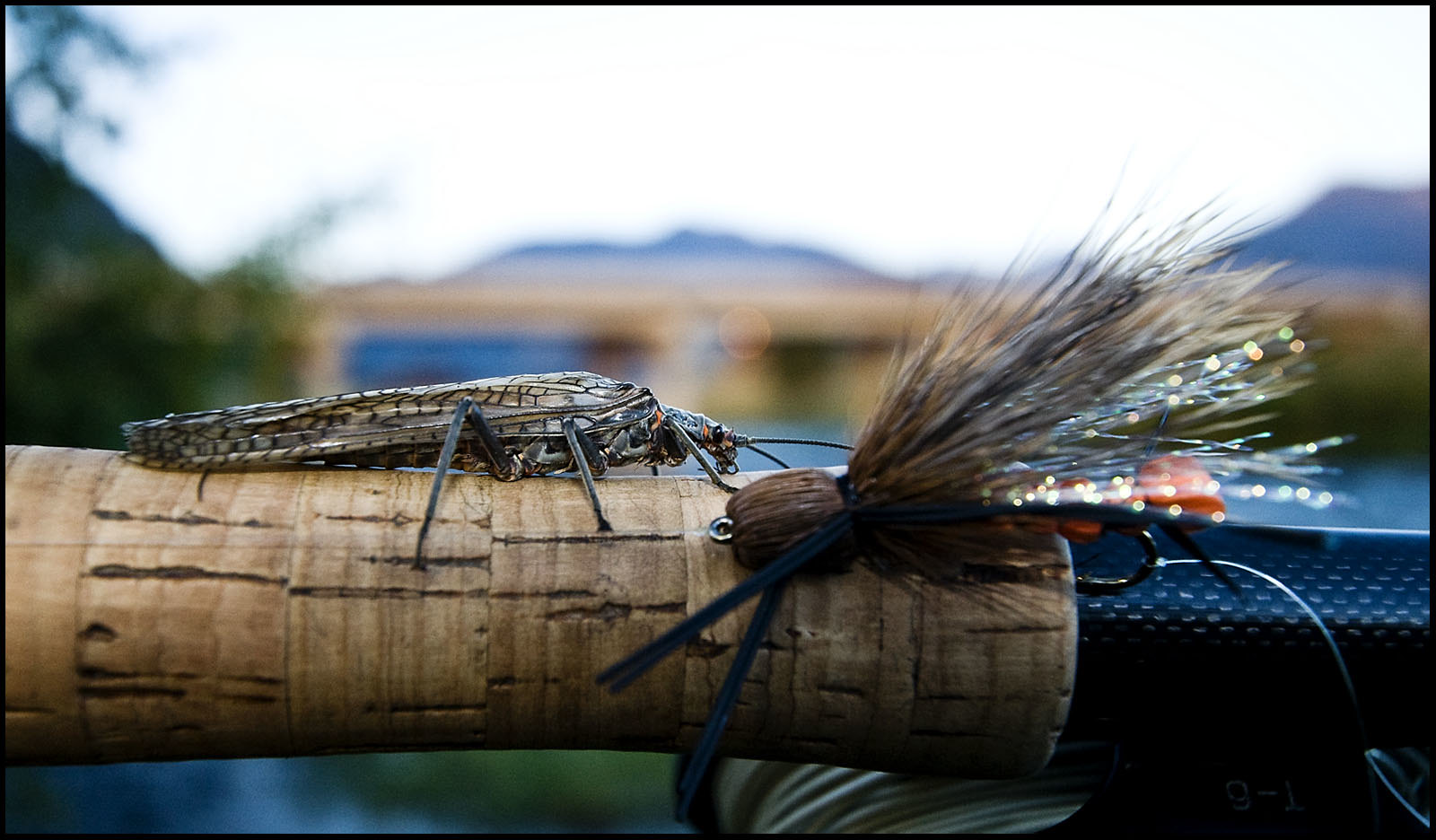
If you’ve spent any time around fly anglers or fly shops, you’ve probably heard people talk about stoneflies and salmonflies—sometimes even using the words interchangeably. But while they’re related, they’re not the same! Understanding the difference between the two can help you make better fly choices and improve your success on the water. Let’s break… Read more
-
Why 40 Degrees is a Magic Number for Trout Activity
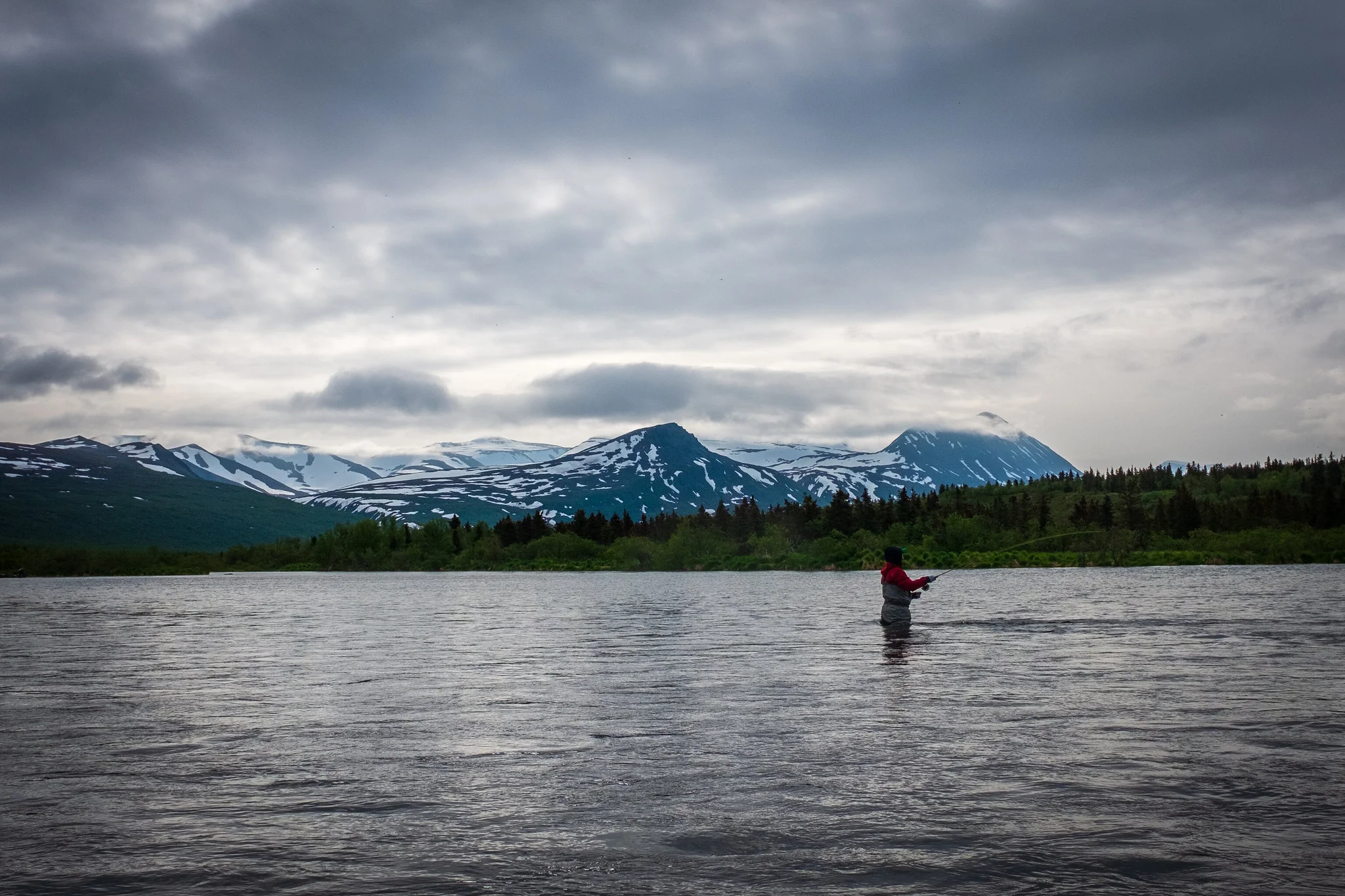
When it comes to trout fishing, water temperature plays a crucial role in determining fish behavior. Among anglers and biologists alike, 40 degrees Fahrenheit is often considered a pivotal temperature. Understanding why this number is significant can help anglers time their outings for the best chances of success. Read more
-
Spring Stillwater Fly Fishing Tactics: Unlocking Success on Lakes and Reservoirs
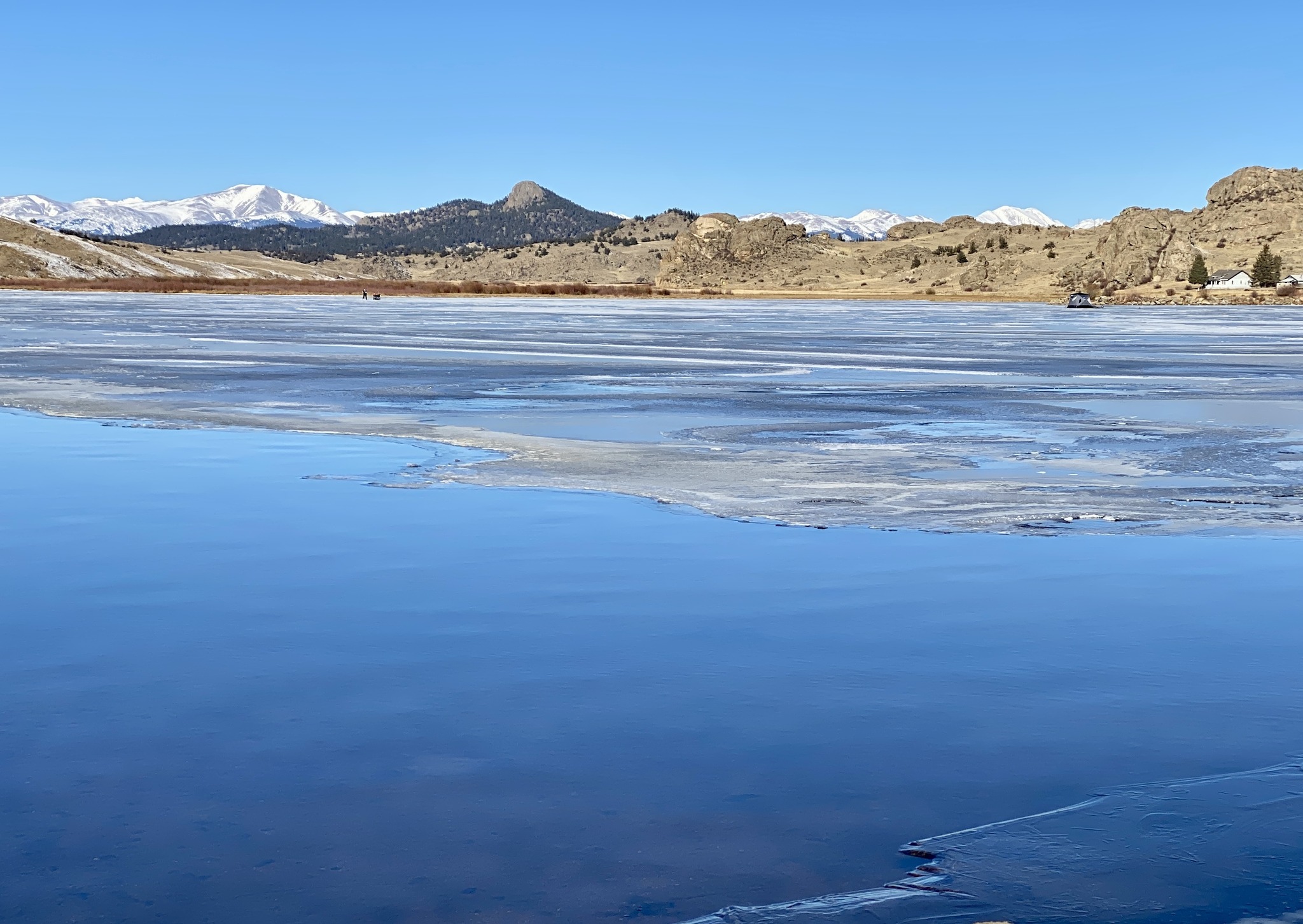
As winter fades and the water starts to warm, stillwater fly fishing kicks into high gear. Spring is one of the best times to target trout in lakes and reservoirs, as fish become more active after a long winter and feed aggressively to build energy. But fishing stillwater is different from rivers—understanding trout behavior, food… Read more