
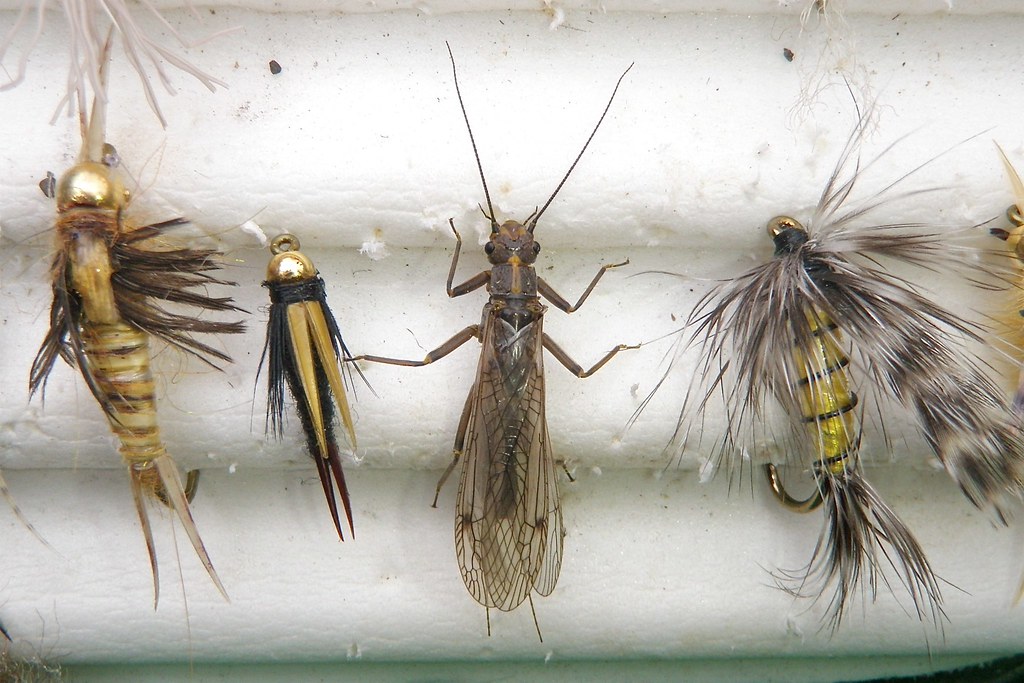
I was fishing the upper stretch of the Colorado river near Kremmling Colorado in early June hoping to get into one of the most iconic hatches there is – The Salmonfly hatch. There were reports that a few of them had started coming off and I wanted to finally be there for the big day. This was my 4th year coming up to the canyon and waiting for all the elements to be right. In years past I was always a day or two early or a week late, but not this time! I watched weather reports, talked to anyone who had ever been there, took time off work and there I was waiting on the bank for what I had built up in my mind as the greatest Stonefly hatch ever. As I impatiently waited and questioned my sanity, I went through the months of research I had done on Stoneflies for the IdentaFly app.
About the Stonefly
Stoneflies spend most of their lives underwater as nymphs. Inhabiting clean, cold, oxygen-rich streams and rivers – often a sign of excellent water quality. Depending on the species and environmental conditions they may live submerged for 1-3 years before emerging as adults. During this time their appearance changes very little aside from size; they simply grow larger.
Unlike Mayflies or Caddis, Stonefly nymphs are poor swimmers. They move with an awkward, clumsy motion. Preferring to crawl along the stream bottom or cling tightly to rocks and submerged debris using their strong legs and claws. Many species are opportunistic feeders – some are herbivorous, grazing on algae and decaying plant matter, while others are predatory – hunting smaller aquatic insects or even other Stoneflies.
Because of their weak swimming ability, Stoneflies are often dislodged by fast currents, especially during spring runoff or after rain. This is when trout take advantage of an easy meal tumbling through the water column.
Pro Tip: When fishing a Stonefly nymph pattern, subtle line lifts or “micro-pulls” to imitate this clumsy drifting motion. A dead drift presentation with the occasional twitch or bump gives the fly the lifelike erratic movement of a real Stonefly struggling to regain it footing on the streambed.
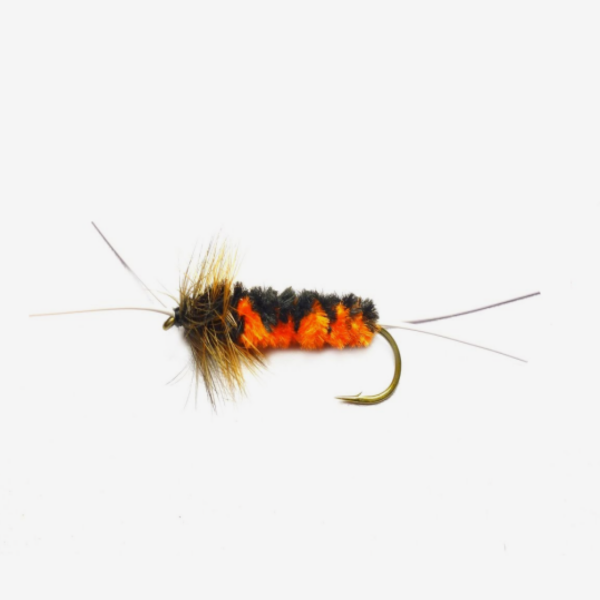
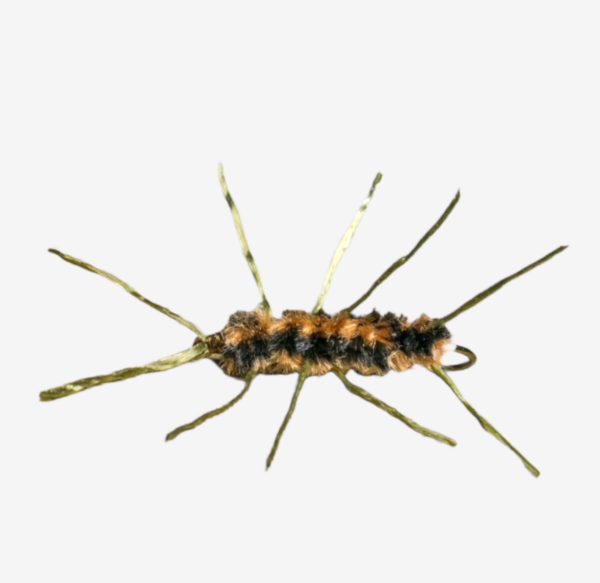
I tied on a size 10 Pats Rubber Legs that I had tied the week before, dark tan with an orange band and enough wire wraps to make sure it sunk to the bottom quickly, followed by another of my favorite patterns the Bitch Creek Stone.
Stonefly Lifecycle
As stonefly nymphs near the end of their underwater life, an incredible transformation begins. When water temperatures and day length reach the right balance, their internal “clock” signals that it’s time to leave the safety of the streambed and begin their shoreline migration. This slow crawl toward the banks is one of the most important feeding opportunities of the year for trout. The nymphs, heavy-bodied and clumsy, are easily swept away by the current, creating an all-you-can-eat buffet for fish waiting in ambush along seams and shallow runs.
Each stonefly species follows its own unique rhythm—some respond to rising spring temperatures, others to the cooling of late summer evenings. Factors such as water temperature, flow rate, elevation, and the nymph’s age all determine the exact timing of their emergence. When conditions are perfect, thousands of nymphs make their way to the shallows at once, crawling up rocks, logs, or even streamside vegetation to split their exoskeletons and emerge as winged adults.
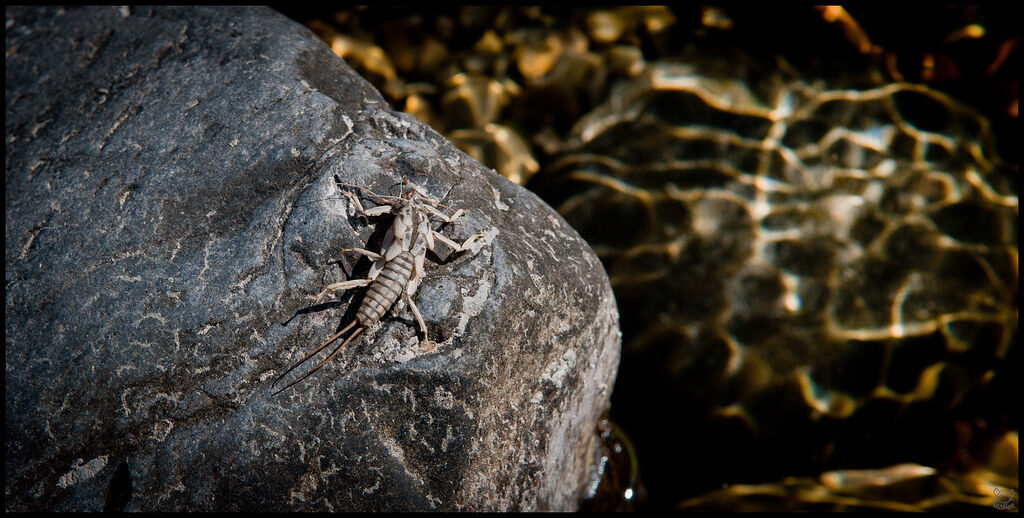
A telltale sign that this event is underway is the presence of empty stonefly shucks clinging to riverside rocks, bridge pilings, or willows. When you see those papery brown casings, you can be certain the hatch is on—and it’s time to transition from fishing subsurface nymphs to adult stonefly imitations near the edges of the river where trout are now looking up.
Experiencing the Salmonfly Hatch
My first cast—and as much as I’d love to say it connected with a fish—it was a knot. Get it? A tangle so bad I had to cut it all off, re-rig, and start over. The next couple of hours brought the occasional trout, but nothing close to what I had built up in my mind.
As the light began to fade, I caught a glimpse of movement near the bank—a few adult Salmonflies fluttering clumsily out of the bushes. How had I missed them crawling from the river to dry their wings? They’re anything but graceful, and when I looked closer, I saw their empty nymph shucks scattered by the hundreds along the rocks. My stomach sank—had I already missed the peak of the hatch?
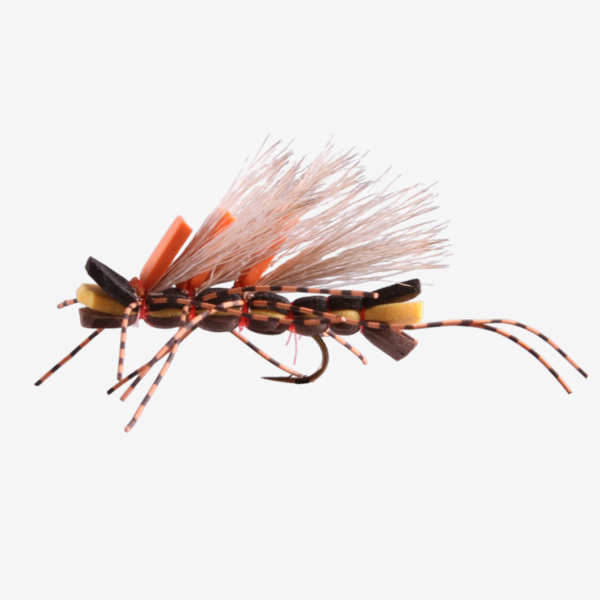
The canyon shadows grew long, and with darkness closing in, I decided to give it one more try. In the months prior, while working on the IdentaFly app, I came across a pattern called the King Kong Salmonfly. I picked up a few in size 8, figuring one day I might need them—and this felt like that moment.
I tied one on, a beast of a foam-bodied dry fly that looked more like a small aircraft than a bug. Honestly, I had little faith. In a sport that prides itself on precision and matching the hatch, this thing looked out of place—oversized, loud, and almost comical.
The first few casts and drifts produced nothing, and with darkness closing in, I started thinking more about getting out of the canyon than catching fish. I’ve got this irrational fear that if I hang around too long after dark, a mountain lion’s going to make me the evening special.
As I worked my way downstream, casting and walking, I suddenly heard splashing—distinct, heavy splashes echoing off the canyon walls. I stopped, listened, and there it was again. I flicked on my headlamp, and what I saw froze me in place. Hundreds—maybe thousands—of Salmonflies were crawling up the canyon walls and fluttering in the beam of my light. The hatch had exploded, and the river had come alive.
I laid out another cast with the King Kong Salmonfly, and instantly the water erupted. Then again. And again. For the next hour, I caught fish on nearly every drift. In the chaos of rising trout and flying insects, I completely forgot about my feline fears—convinced the mountain lion was probably just sitting back, letting me have one last glorious moment before claiming his meal.
By the time I reached the truck, my hands were trembling from excitement. I’d finally experienced the iconic Salmonfly hatch—and it was every bit as wild as I’d imagined.
Stonefly Hatch Breakdown
I’ve included a seasonal breakdown of the most common stonefly hatches and fly selection and when they typically occur across different regions. Use it as a quick reference to help narrow down your fly selection and take some of the guesswork out of matching the hatch. With a bit of timing and observation, you’ll be ready for one of the most exciting and productive periods in fly fishing.
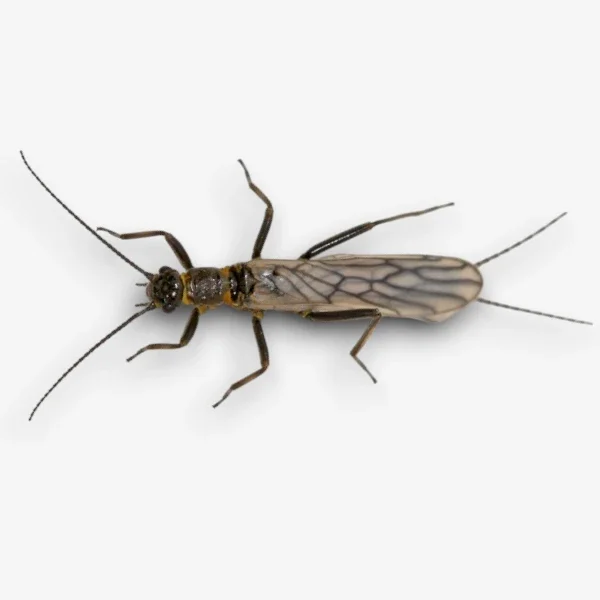
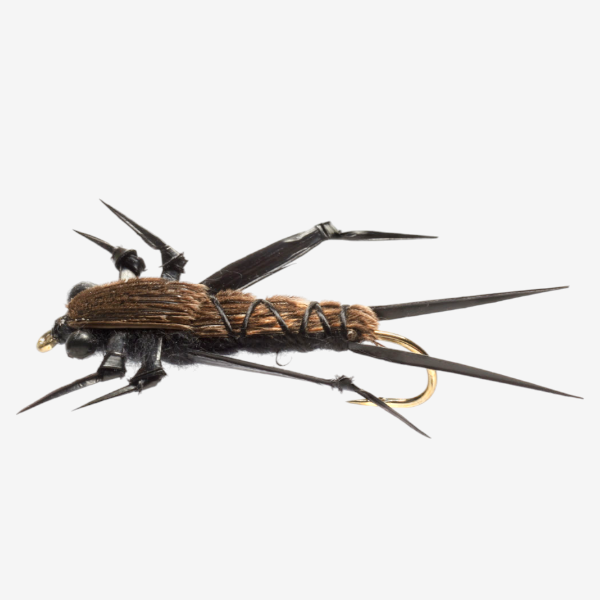
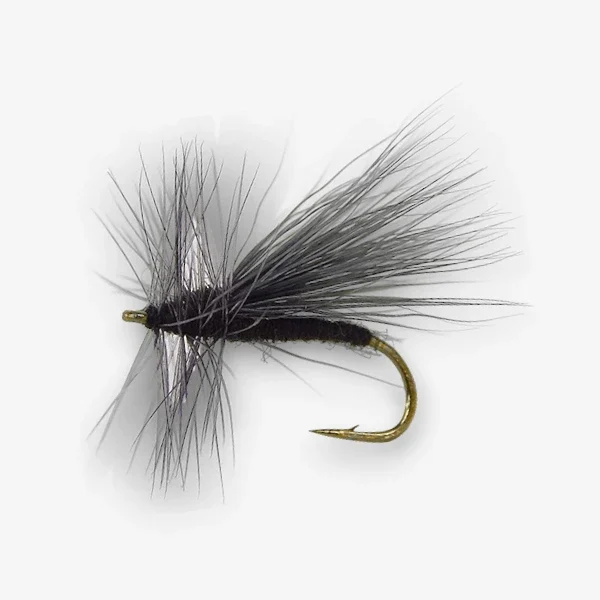
Black Stonefly (Winter Stonefly)
Common Names
- Winter Stonefly
- Tiny Black Stonefly
- Needlefly
- Little Black Stonefly
- Early Black Stonefly
- Small Winter Stonefly
- Snowfly
Time of Year: December – March (peaking mid-winter to early spring)
Water Temperature: 34 – 45 °F
General Regions:
- West: Mountain streams of the Rockies, Sierra Nevada, Cascades (e.g., Colorado, Montana, Idaho, Oregon)
- Midwest & East: Freestone streams and spring creeks of Wisconsin, Pennsylvania, New York, and the Appalachians
- South: Present in cooler tailwaters (Tennessee, North Carolina, Arkansas)
Notes:
First hatch of the year. Found in slower edges and riffle tails where oxygen is high even in winter.
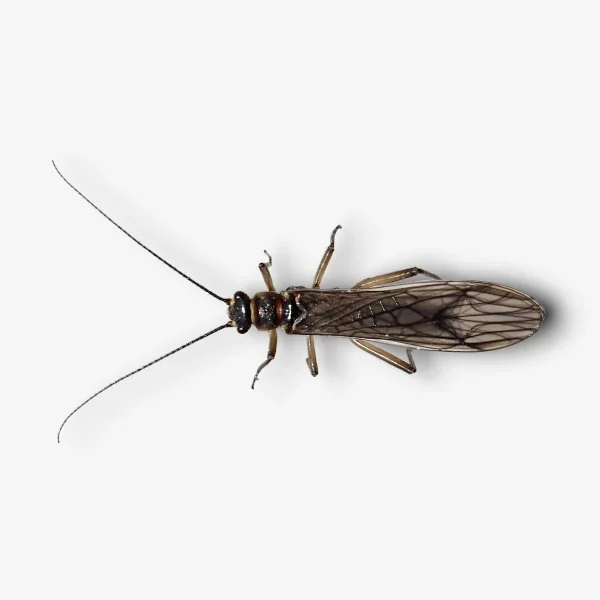
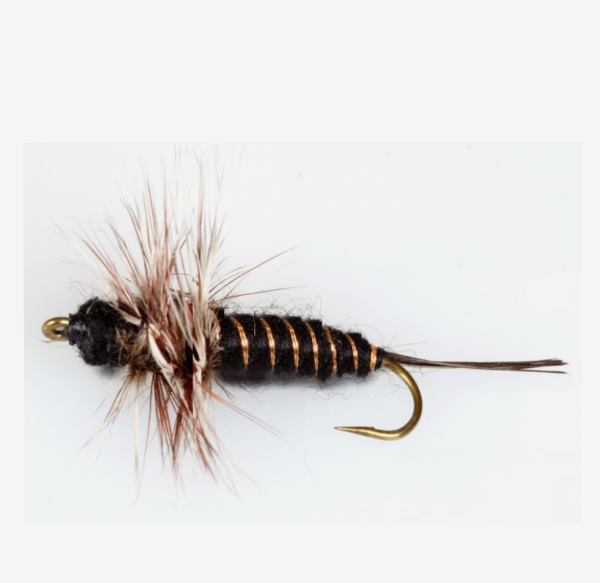
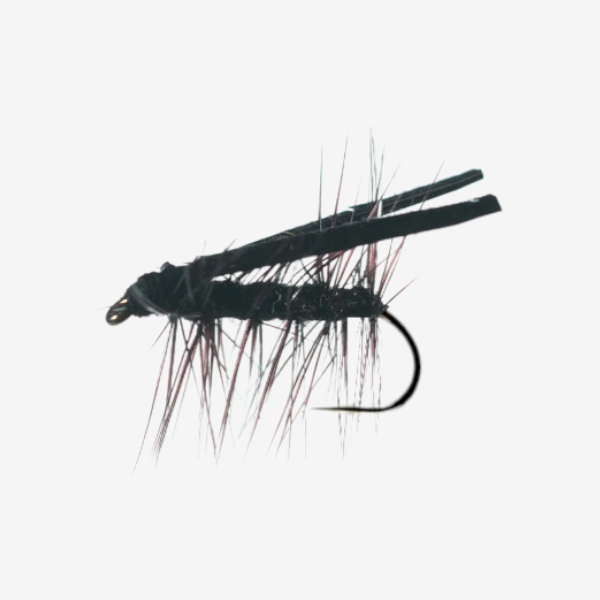
Brown Stonefly (Winter Stonefly)
Common Names
- Skwala
- Early Brown Stonefly
- Little Brown Stonefly
- March Brown Stonefly
- Willowfly
- Small Brown Willowfly
- Little Yellow-Brown Stonefly
Time of Year: March – May (late winter into spring)
Water Temperature: 42 – 52 °F
General Regions:
- West: Rocky Mountains, Great Basin, Pacific Northwest
- Midwest: Upper Midwest Freestones (Wisconsin, Michigan)
Notes:
Typically follows the Black Stonefly hatch.
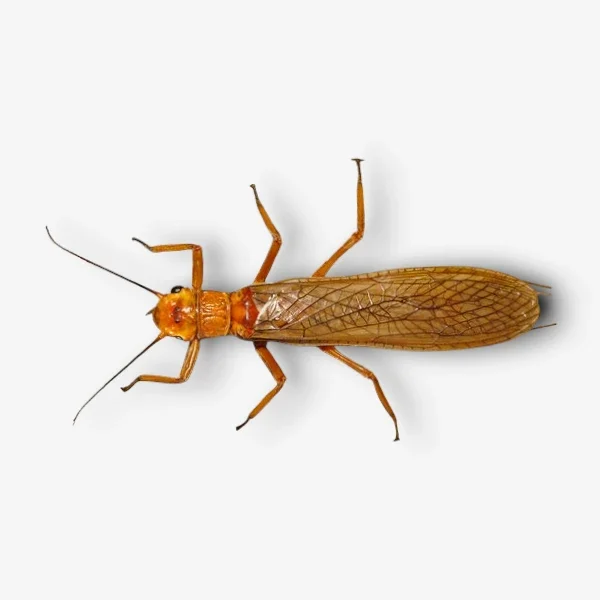
Golden Stonefly
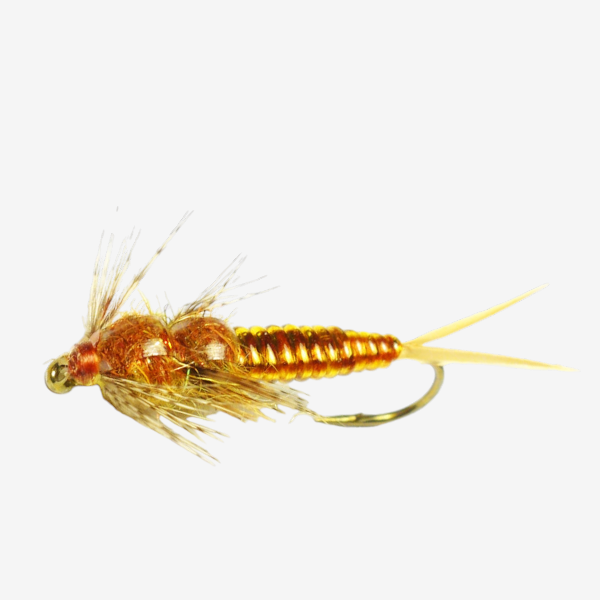
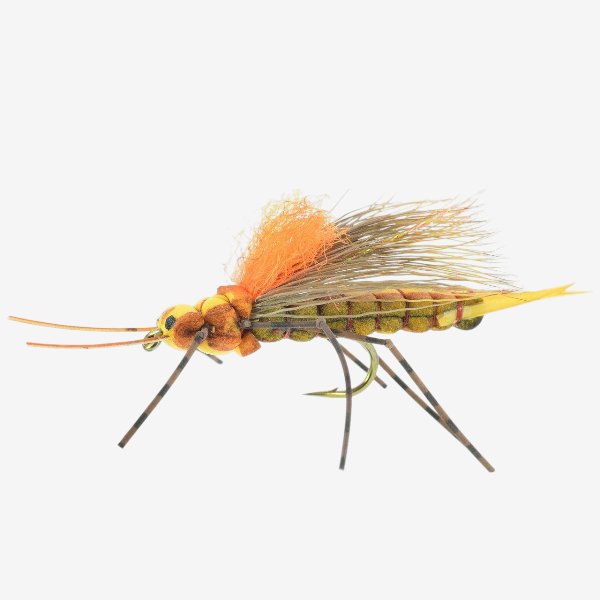
Common Names
- Golden Stonefly
- Yellow Stonefly
- Golden Stone
- Large Golden
- Golden Salmonfly
- Big Golden
- Summer Stonefly
- Western Golden
Time of Year: June – August (early to mid-summer)
Water Temperature: 50 – 60 °F
General Regions:
- West: Widespread in the Rockies, Cascades, and Sierras — from Colorado and Idaho to Northern California
- Midwest: Northern Wisconsin, Upper Michigan rivers
- East: Maine and northern New England have limited hatches in clean, cold freestones
Notes:
Prefers strong freestone rivers with cobble bottoms; excellent indicator of good water quality.
Yellow Sally Stonefly
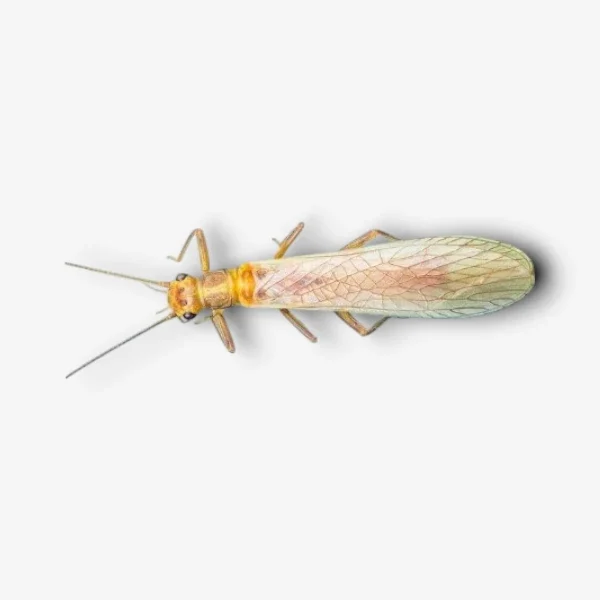
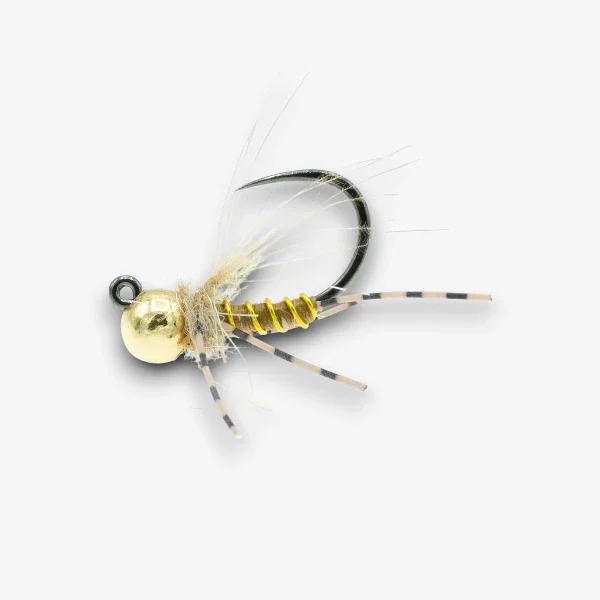
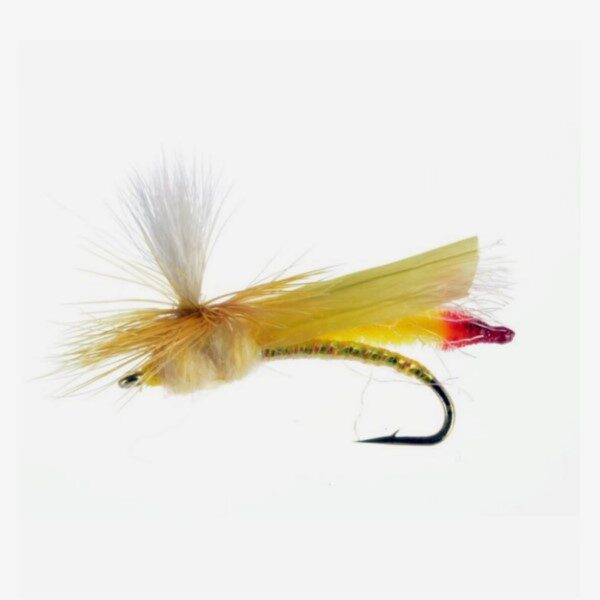
Common Names
- Yellow Sally
- Little Yellow Stonefly
- Little Yellow Sally
- Yellow Stone
- Little Summer Stone
- Yellow Doroneuria
- Tiny Yellow Stonefly
Time of Year: June – September
Water Temperature: 52 – 65 °F
General Regions:
- West: Very common in the Rockies, especially Colorado, Montana, and Idaho
- Midwest: Scattered populations in cool, clear streams
- East: Appalachian and Smoky Mountain streams
Notes:
Yellow Sallies are most active on warm afternoons and early evenings. Trout often target them just below the surface, so lightly weighted nymphs or soft-hackle imitations can out fish dries until the sun dips and adults start fluttering over riffles.
Salmonfly or Giant Black Stonefly
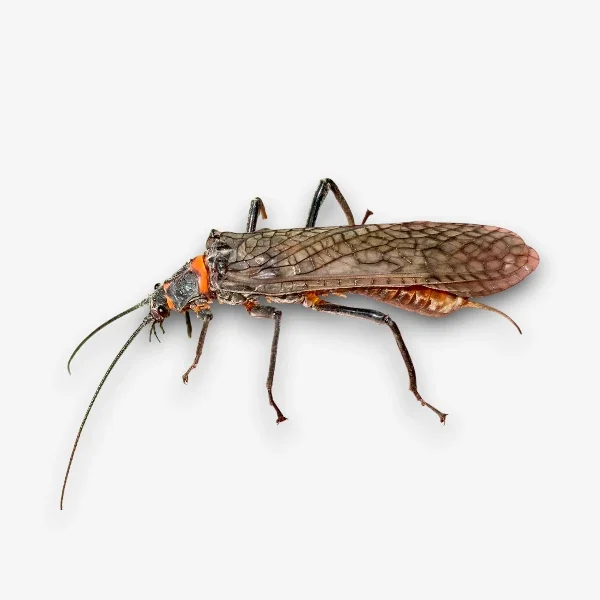
Common Names
- Salmonfly
- Giant Stonefly
- Giant Black Stonefly
- Big Black Stone
- Orange Salmonfly
- Pteronarcys
- Western Salmonfly
- King Stone
Time of Year: May – July (depending on elevation and snowmelt timing)
Water Temperature: 46– 58 °F
General Regions:
- West: Found in major rivers of the Rockies, Cascades, and Pacific Northwest — often overlapping with Salmonfly waters
- Midwest: Present in clean, fast rivers of Wisconsin, Minnesota, and Michigan
- East: Common in Appalachian and New England freestones with strong current and high oxygen levels
Notes:
These are the largest of all stoneflies and a favorite meal for big trout. Before they hatch, heavy nymphs fished near the bottom during late spring runoff can produce exceptional strikes. Watch for empty shucks on riverside rocks to know when adults are emerging.